Dry camping, also called boondocking, simply means camping without electrical, water, or sewer hookups. It can sound intimidating at first, especially when you see long gear lists and expensive upgrades online. The truth is, dry camping doesn’t have to be complicated. You don’t need to be perfectly equipped, you just need to understand your travel trailer and plan realistically.
Below are three things you actually need to dry camp successfully, followed by three things you don’t need (even though they’re often marketed as must-haves).
Rogina Roaming is supported by its audience. When you purchase through links on our site, we may earn an affiliate commission at no extra cost to you.
3 Things You Need to Dry Camp
1. A Realistic Power Plan
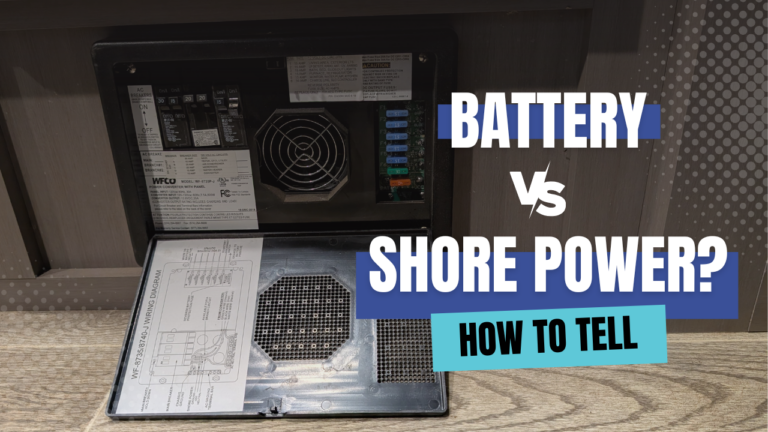
You don’t need a perfect or high-tech power setup, but you do need a realistic plan. The most important first step is understanding what in your travel trailer runs on 12-volt power (your batteries) and what requires 120-volt shore power.
Things like lights, water pumps, USB outlets, and vent fans usually run on 12-volt power and are easy to use while dry camping. Items like the microwave or air conditioner require shore power and typically won’t be usable unless you have significant upgrades.
Once you know what will and won’t work while dry camping, you can plan alternatives; like using USB-powered devices or simply going without certain appliances. It’s also important to understand how long your batteries typically last so your expectations match reality.
2. A Simple Water Strategy
Dry camping doesn’t mean you need fancy water systems, it just means you need a plan. Start by learning your trailer’s fresh, gray, and black tank capacities. Knowing these numbers helps you estimate how long you can comfortably camp.
For example, many families use fresh tank water for washing hands and dishes, but bring separate drinking water. A simple rule of thumb is one gallon of drinking water per person per day, including travel days.
You may also need to adjust habits to manage gray and black tanks. Short showers, skipping showers altogether, or using a dish basin to catch sink water can significantly extend your stay.
3. A Reliable Outdoor Cooking Option
One of the easiest ways to simplify dry camping is to cook outside. A propane-powered outdoor cooking setup reduces electricity use, saves water, and minimizes cleanup.
Cooking outdoors also means fewer pots and pans to wash and less water going into your gray tank. Whether it’s a griddle, camp stove, or grill, the key is choosing something that’s easy to clean and doesn’t rely on battery power.
3 Things You Don’t Need to Dry Camp
1. A Generator (At Least Not Right Away)
Generators can be useful, but they aren’t required to get started. Many people buy one before they even know how much power they actually use.
For short trips, basic battery power combined with mindful energy use is often more than enough. It’s better to gain experience first, then decide if a generator would truly add value to your camping style.
2. High-End Solar or Power Upgrades
Solar panels, lithium batteries, inverters, and other power upgrades can make dry camping more convenient, but they are not necessary in the beginning.
Spending time dry camping with your trailer’s standard setup helps you understand where your real limitations are. That knowledge makes future upgrades more intentional and prevents wasting money on systems that don’t actually fit your needs.
3. Every Dry Camping Gadget You See Online
There are a lot of great camping gadgets out there, but none of them replace experience. Confidence and familiarity with your trailer will take you further than any single product.
Once you’ve dry camped a few times, you’ll naturally figure out which tools would be most helpful for you. Until then, it’s okay to keep things simple.
Final Thoughts
Dry camping isn’t about being perfectly prepared. It’s about understanding your trailer, your habits, and your comfort level. Start small with an overnight or weekend trip, learn as you go, and adjust over time.
Even if something doesn’t go perfectly, it becomes part of the experience. With each trip, dry camping gets easier, more comfortable, and more enjoyable. The most important step is simply getting out there and giving it a try.
Happy camping!